Voices of Creation is a soul and jazz choir with a mission that goes beyond performance: they sing to heal. Whether you're curious about how music creates community, or you're interested in the intersection of spirituality and creative expression, understanding what Voices of Creation does offers real insight into why participatory music matters.
This Los Angeles-based ensemble isn't a traditional performance choir. It's a community music group where healing happens in the act of singing itself, not just in the listening. That distinction changes everything about how the work gets made and experienced.
If you create content, lead a community, or believe in the power of authentic human expression, the principles behind Voices of Creation are worth understanding. Phleekz is designed to help original content be seen, and that includes the kind of creative work that moves people emotionally and builds real connection.
What Voices of Creation Actually Does
Voices of Creation combines spiritual music traditions with jazz elements. The choir draws inspiration from church choir heritage but takes it further, blending in jazz improvisation, soul sensibility, and modern arrangements. The result is music that feels both rooted and alive.
The group is led by a vocalist, songwriter, arranger, and producer who shapes the sound and direction. But the real power comes from the participants. This isn't a group you listen to from the audience; it's a group you join and become part of.
The mission is explicit: singing to heal both the choir members and their audiences. That means the healing isn't one-directional. When you participate in making music together, something shifts inside you. When you witness that happen in others, it touches you too.
Why Participatory Music Matters
Most creative work is built for consumption. You watch, listen, or read something someone else made. That's valuable, but it's different from creating together.
Participatory music like Voices of Creation asks people to show up, use their voice, and contribute to something larger than themselves. That's not passive. It's active, vulnerable, and deeply human.
When you sing with others, you synchronize. Your breathing aligns. Your rhythms match. Neuroscience and lived experience both tell us that this coordination creates a feeling of belonging that's hard to find elsewhere. You can't fake it. You can't phone it in. You have to be present.
That's why healing happens. It's not magic. It's the natural result of showing up authentically with other people toward a shared goal.
The Spiritual and Jazz Foundation
Church choirs have always been spaces where community gathers and something transcendent occurs. People come for the music, but they stay for the connection and the meaning. That tradition is deep and valuable.
Jazz adds another layer. Jazz is about listening to each other in real time and responding. It's improvisation within structure. No two performances are exactly alike because the musicians are in dialogue with each other and their audience. There's risk. There's discovery. There's freedom.
When you put spiritual intention and jazz flexibility together, you get music that can change the room. Voices of Creation does exactly that.
The spiritual element means the work is about something beyond entertainment. It's about healing, growth, and connection. The jazz element means it never feels rigid or formulaic. It breathes and shifts and feels alive.
How to Understand Content That Heals
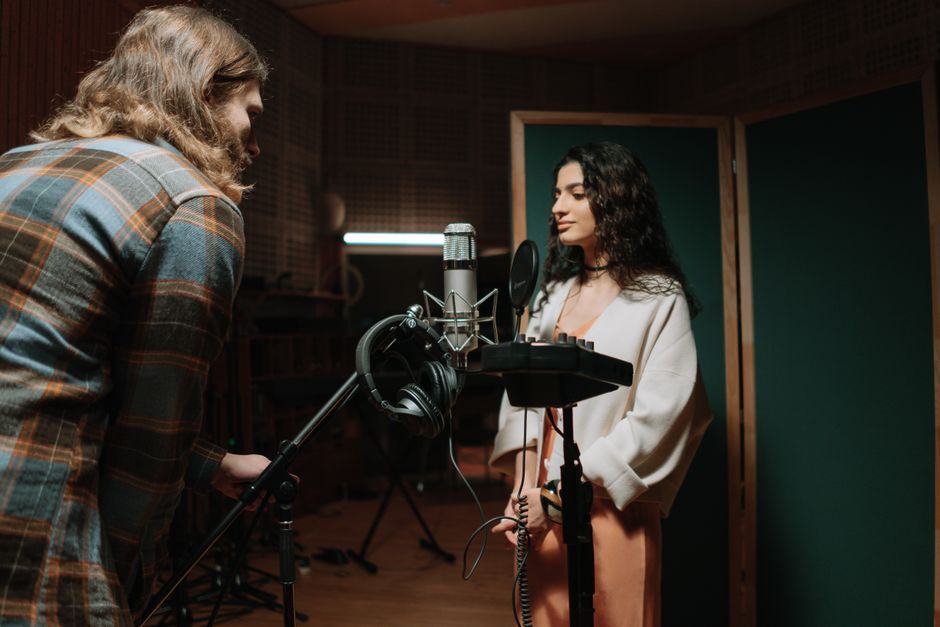
Voices of Creation teaches us something about what makes content and creative work genuinely valuable. It's not about reach or numbers. It's about resonance.
Resonance means the work actually lands with people. It means it stays with them. It means it changes something small but real inside them. That can happen with a song, an essay, a video, a conversation, or any creative act done with intention and authenticity.
The best creative work does several things at once. It's made with genuine care. It invites participation rather than just demanding attention. It serves something larger than the creator's ego. And it acknowledges the humanity in the people experiencing it.
Voices of Creation checks every box. They're making original music rooted in real traditions. They're creating space for people to participate and contribute. They're serving a mission of healing. And they're treating every person in that room as someone worthy of that care.
If you're creating anything, in any medium, those principles apply. Phleekz supports creators and brands that invest in originality, because work made this way is what the world actually needs.
Building Community Through Shared Creation
One of the key insights from how Voices of Creation operates is that community isn't something you build by broadcasting. It's something you build through shared experience and shared creation.
When people create together, they develop trust. They become invested in each other's success. They show up more consistently because the work matters to them personally, not just intellectually.
This applies whether you're running a choir, writing a newsletter, making videos, or building a business. The people who become your strongest supporters and community members are usually the ones who've participated in creating something with you, not the ones who passively consumed your work.
That's why participatory formats work. A group chat where people share ideas. A workshop where people make something. A live event where people engage in real time. These create belonging in a way that a one-way broadcast never can.
Voices of Creation understands this intuitively. They're not trying to maximize audience size. They're trying to create a meaningful experience for the people who are there. That's the opposite of how most media works, and it's precisely what makes it powerful.
The Role of Authenticity in Creative Work
There's no distance between the people in Voices of Creation and the work they're making. It's their voices. Their experience. Their participation. That authenticity is non-negotiable.
In a world where so much content feels produced, polished, and distant, authenticity stands out. It's not about being unprofessional or sloppy. It's about being real. It's about letting people see and hear the actual human beings doing the work.
When you participate in something authentic, you can feel the difference. There's no barrier. No sense of being talked at. The creators and participants are on the same level, working toward something together.
This is actually harder to do than it sounds. It requires vulnerability. It requires trusting your audience to show up for you as a real person, not a perfect persona. It requires showing your process, your growth, and sometimes your struggle.
But that's exactly what builds loyalty and community. People connect with people, not with polished brands. The work that lasts is usually the work that had the courage to be genuinely human.
Why Voices of Creation Matters Right Now

There's a hunger right now for real connection and meaning. People are tired of content that's designed to manipulate their attention or sell them something. They want to be part of something that matters. They want to create, not just consume.
Voices of Creation exists in that space. They're offering something you can't get from a screen: the experience of making music and healing together in real time. That's irreplaceable.
For creators and builders thinking about their work, the lesson is clear. The content and experiences that will matter most are the ones that invite genuine participation, center human connection, and serve something beyond themselves.
If you're thinking about launching something creative, or if you're trying to figure out how to make your existing work more meaningful, study how groups like Voices of Creation operate. Notice what they prioritize. Notice what they don't do. Notice how they show up.
The principles of participatory creation, spiritual intention, and authentic expression work across every medium. Whether you're making music, writing, teaching, or building a community, these ideas translate. Your work becomes stronger when you apply them. Your audience becomes more connected when they feel genuinely invited to participate.
How Original Creators Can Learn from This Model
If you create anything, here are the takeaways from Voices of Creation:
- Make your work rooted in something real. Whether that's a tradition, a personal story, or a genuine mission, the foundation matters.
- Invite participation when you can. The people who create with you become your strongest community.
- Serve something bigger than attention metrics. Make work that heals, teaches, inspires, or connects. That's what lasts.
- Stay authentic. Let people see the real human beings doing the work, not a polished brand mask.
- Build slowly and intentionally. Deep connection takes time. It can't be rushed or manufactured.
These aren't trends. They're principles that have always mattered, and they matter even more now. The creators and communities that will thrive are the ones doing this work already, and the ones willing to start.
Getting Started with Participatory Creativity
Whether you want to join a group like Voices of Creation or you want to build your own creative community, the first step is the same: show up authentically and invite others to do the same.
You don't need a huge budget or a massive audience to start. You need clarity about what you're trying to create, who you're creating it for, and why it matters. Then you need to actually show up and do the work, and invite people into that work.
Start small. Start local. Start with people who genuinely care. Build from there. The most sustainable creative work always starts this way.
If you're thinking about how to build a platform or community around your creative work, remember that the foundation is always authenticity and real connection. Phleekz aims to help original content travel further through discoverability, because work that comes from genuine intention deserves to be seen by the people who need it most.
What makes a music group participatory instead of just a performance ensemble?
A participatory music group centers the experience of the participants, not just the audience. Everyone who shows up is making the music together, not watching others perform it. The focus is on what happens inside the group, the shared experience, and the collective creation. That's fundamentally different from attending a concert or performance.
How does spiritual music differ from secular music?
Spiritual music is created with the intention of connecting people to something larger than themselves, whether that's a faith tradition, a sense of transcendence, or collective healing. It often draws from established traditions and carries that weight of history and meaning. The creator's and participants' intentions shape how the music lands and what it can do in a room.
Can the principles of Voices of Creation apply to other creative work?
Absolutely. The core principles are authenticity, community participation, rooted tradition or intention, and service to something larger than attention. Those work for writing, teaching, design, video, any creative work. The medium changes, but the values are the same.
Why does participatory creation build stronger community than consuming content alone?
When you create something together with other people, you synchronize, you become vulnerable together, and you invest in a shared outcome. That creates trust and belonging that passive consumption can't match. You're part of something, not just observing it from the outside.